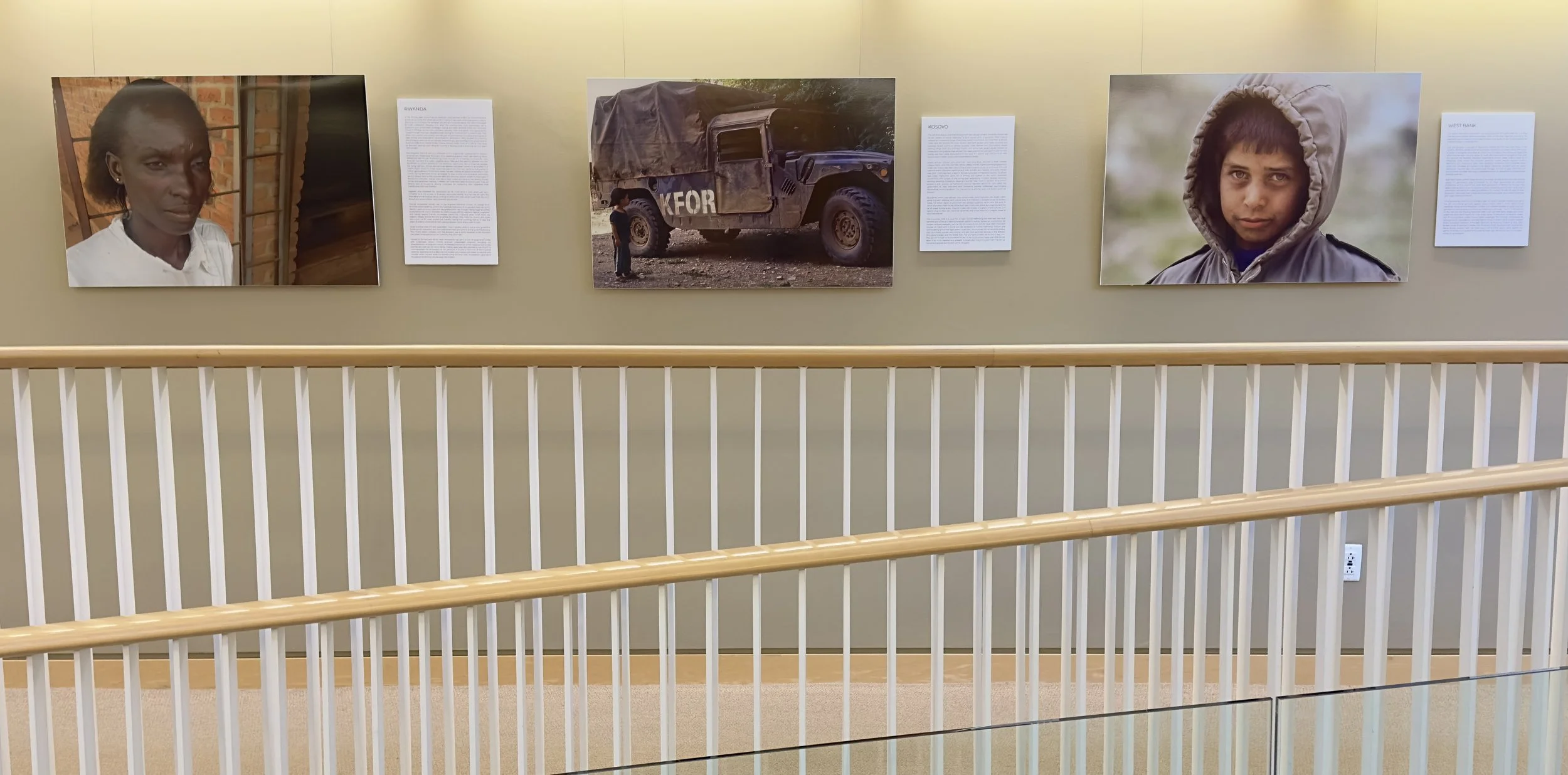
Life After War: Forced Migration and Mental Health
Nov
10
to Feb 22

Life After War: Forced Migration and Mental Health
  • The Watson School of International and Public Affairs and Brown University (map)
  • Google Calendar ICS

Art at Watson at The Watson School for International and Public Affairs at Brown University  

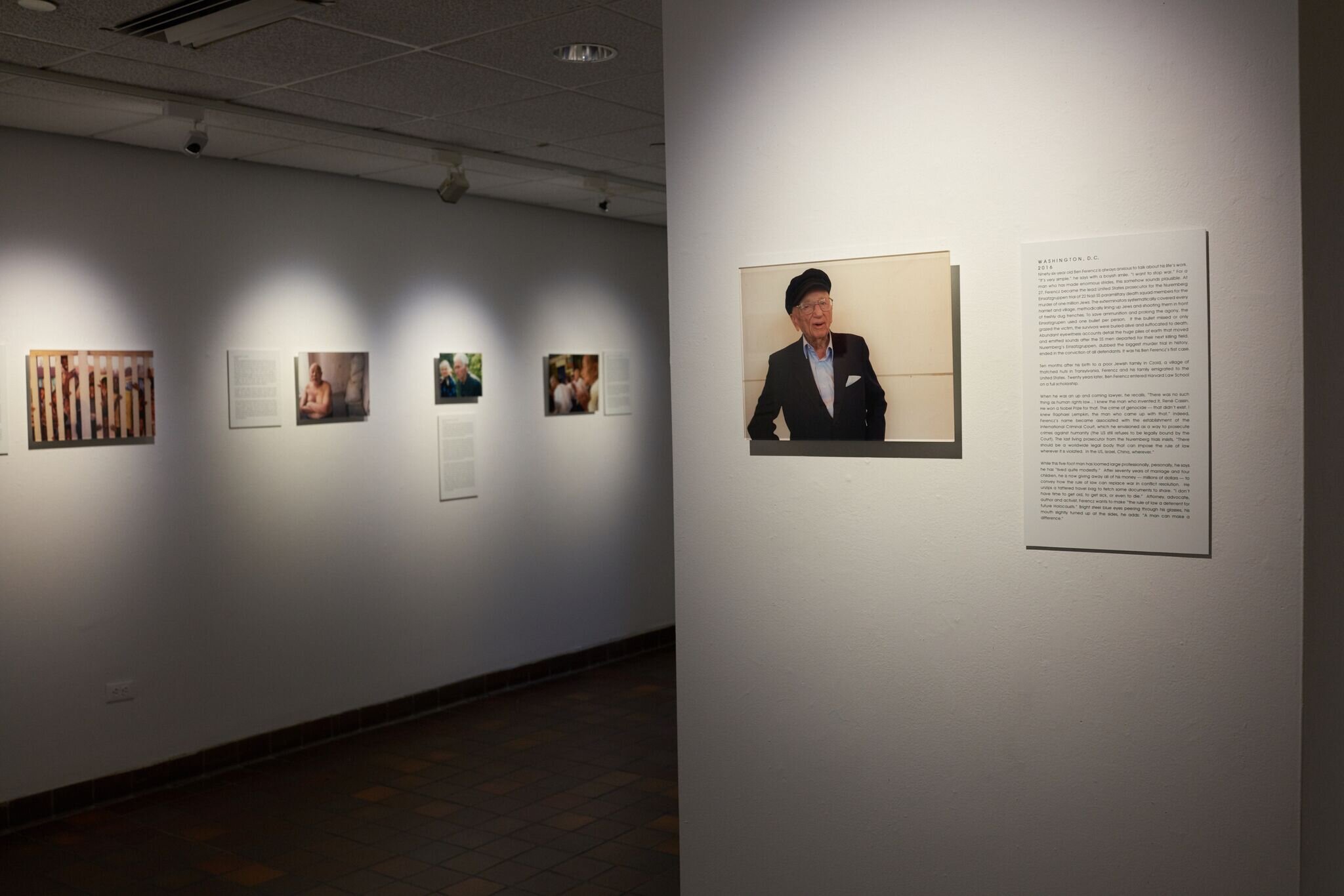
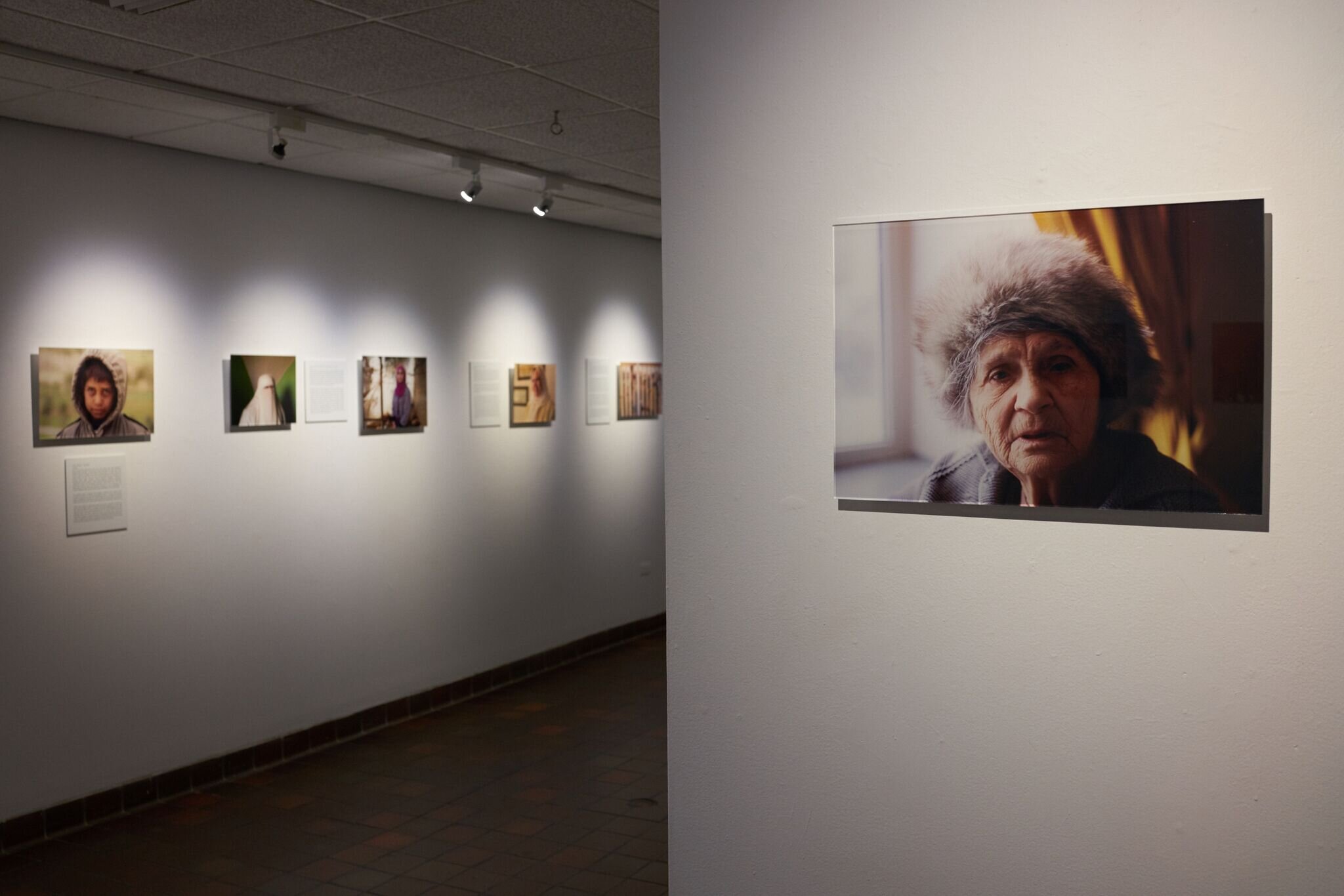
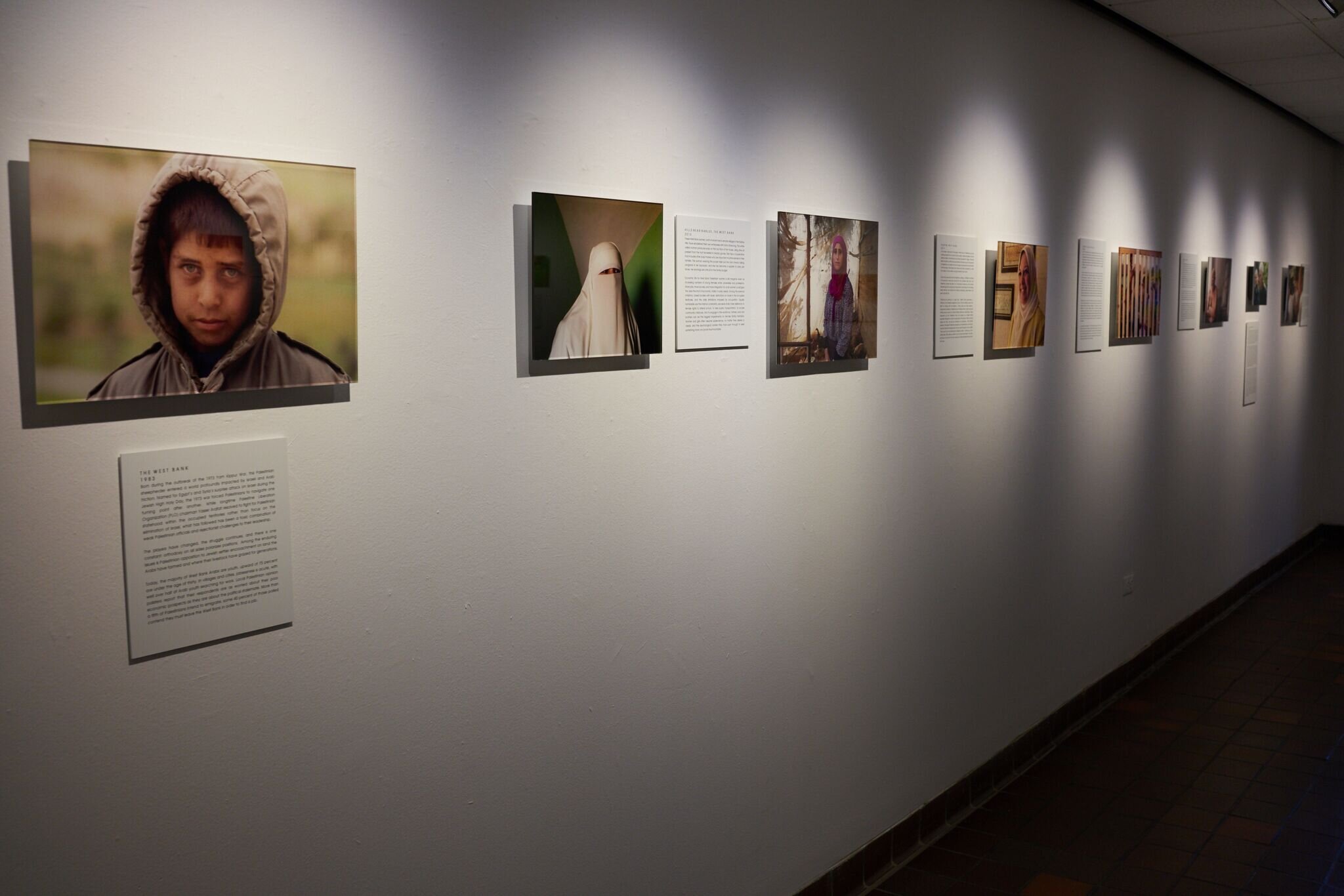
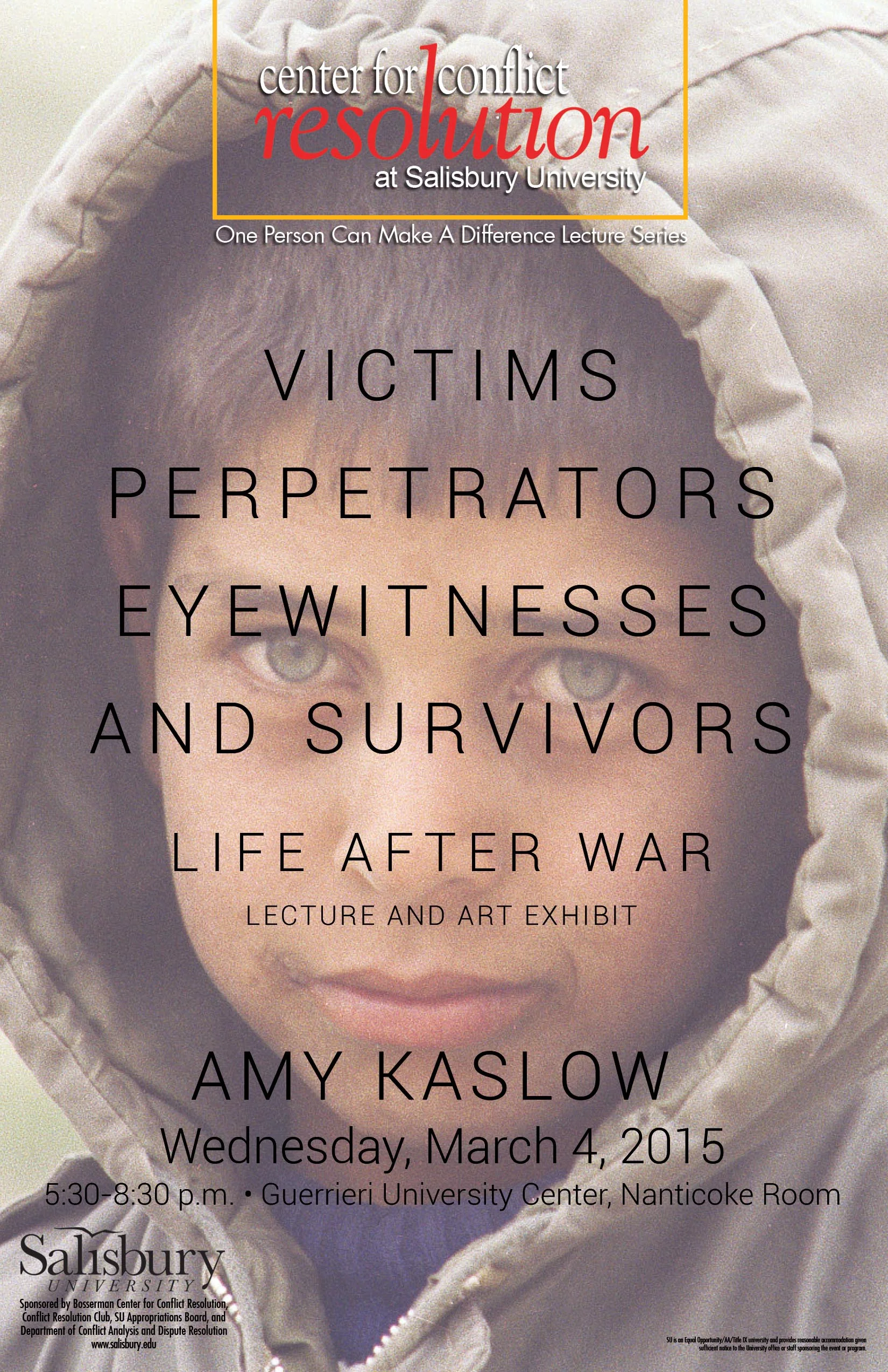
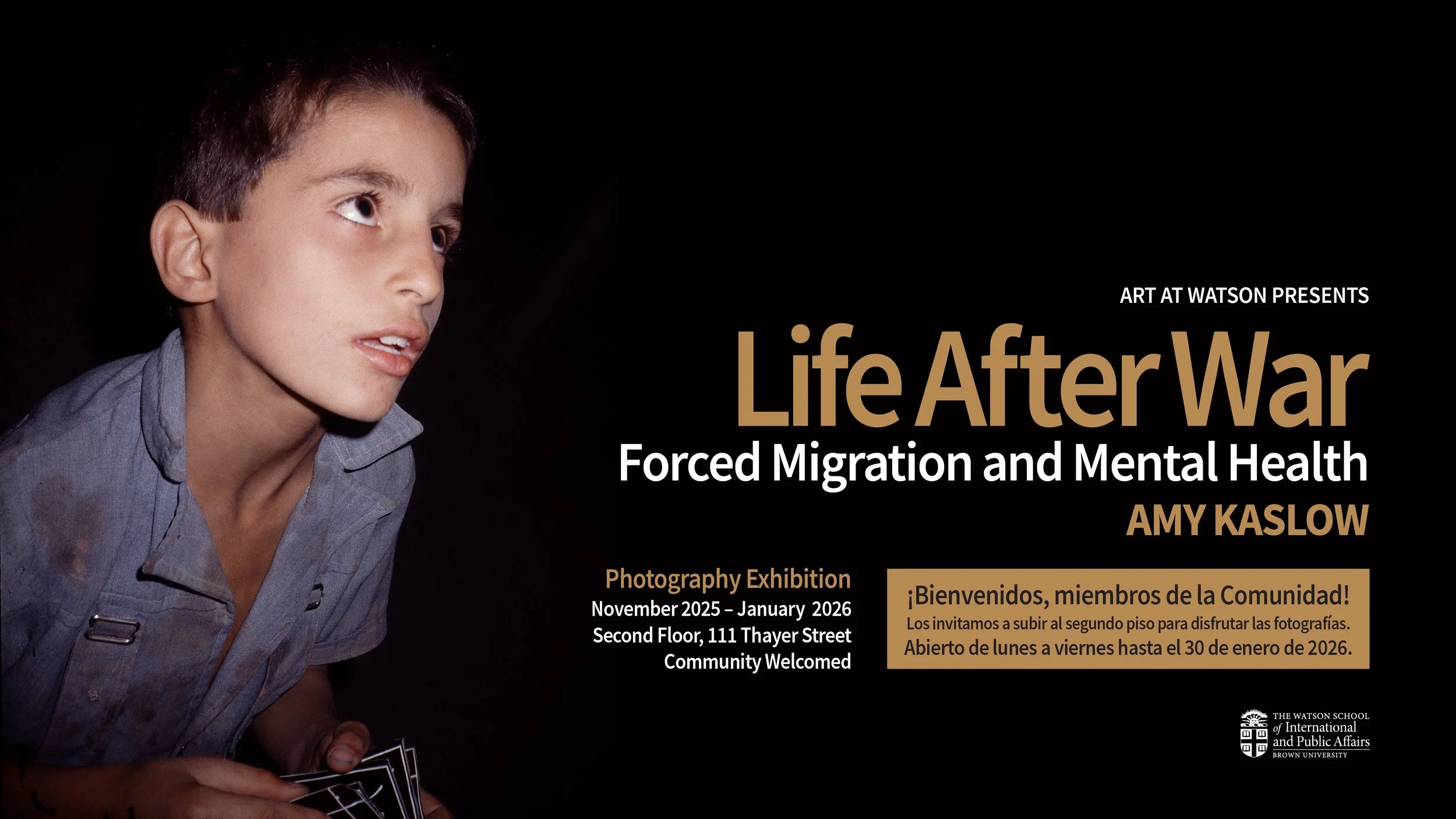
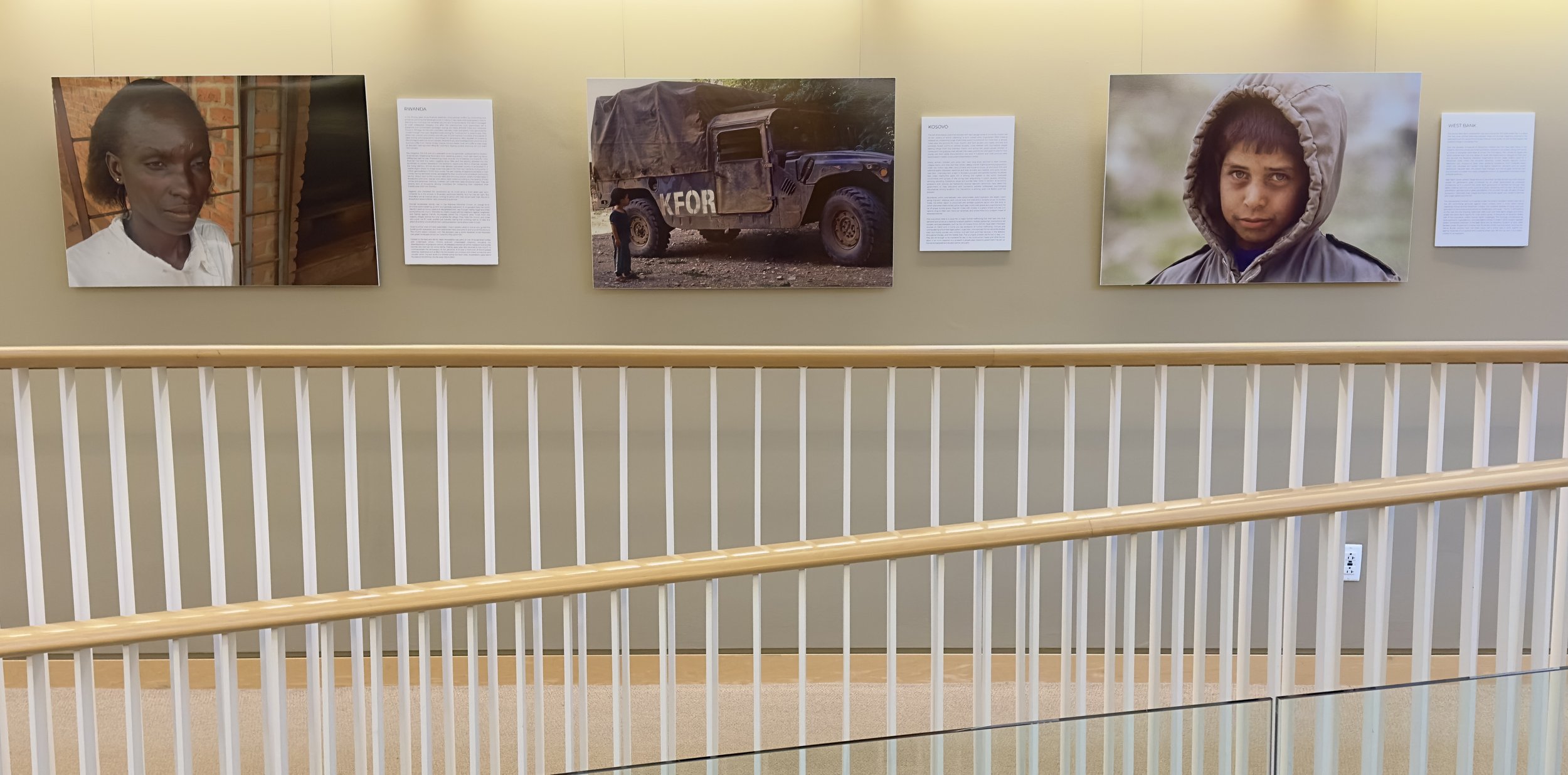
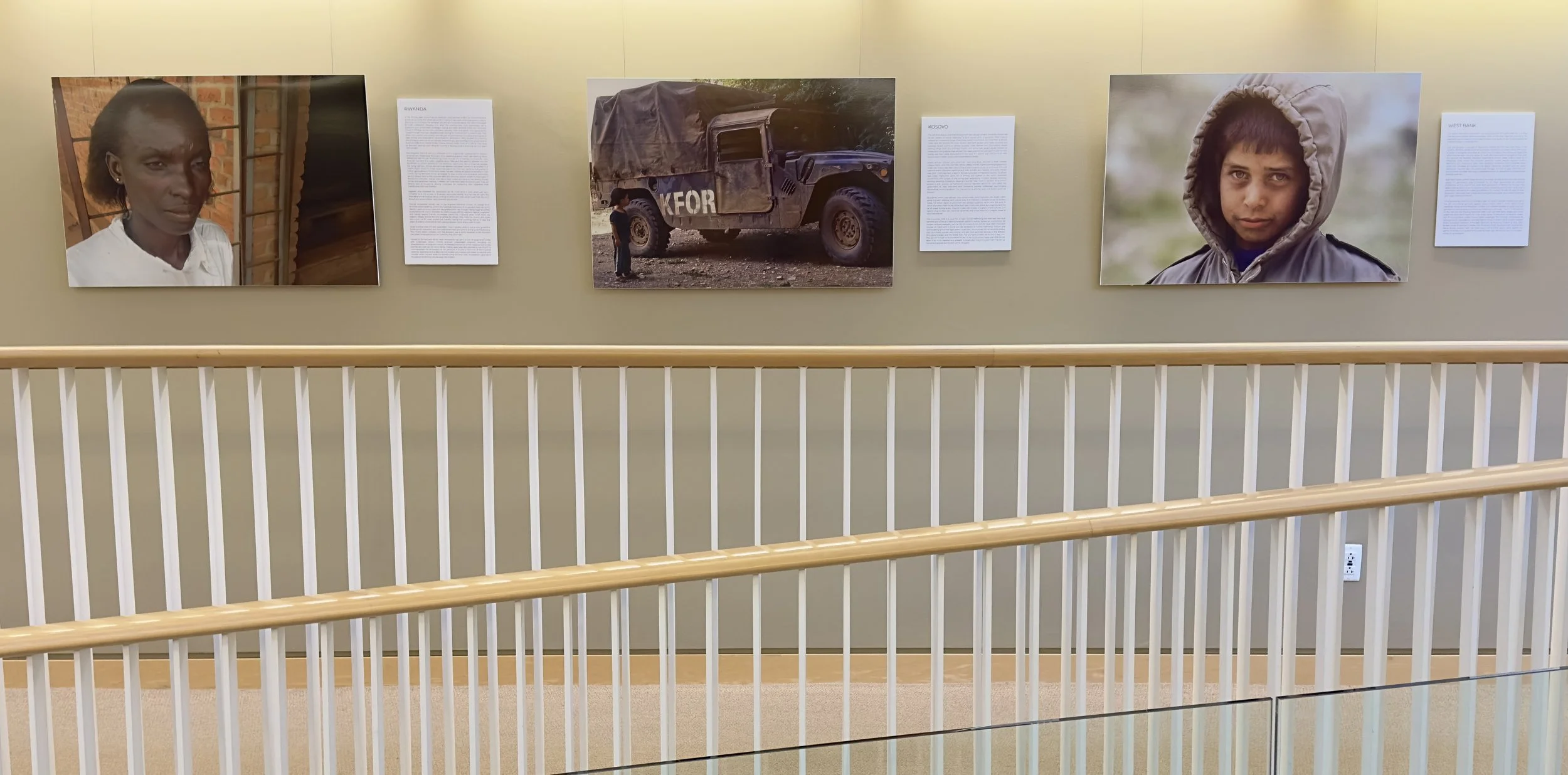
LIFE AFTER WAR 

FORCED MIGRATION AND MENTAL HEALTH 

Nearly a billion people are forcibly on the move today: men, women, and children flung from their centers of gravity, from places their communities have known for generations. For now, these are survivors, remnants of conflict zones who somehow escaped the worst of humanity. Embarking on geographic journeys beyond the terror, most find that their trauma travels, too. And while they cut across many categories—including the ‘internally displaced’ who fled their homes but not their countries, the refugees and asylum seekers unable to return to their home countries, the impoverished economic migrants, the families hoping to reunite, and the untold numbers of stateless people—they share one very important trait. They are desperate. 

The United Nations High Commission of Refugees (UNHCR) tracks migrants entering mostly low- and middle- income nations, which sorely lack resources and/or resolve to meet non-citizen needs. Fleeing to fledgling or established democracies often makes their emotional turmoil worse with unwelcome responses from unwilling hosts, including the United States and European countries responsible for many of the regional conflicts that exploded the populations in the first place. The World Health Organization (WHO) documents how displacement aggravates and ignites mental illness among forced migrants, and in 2023 it found a staggering twenty percent of the entire global population suffering. Since WHO first sounded this warning, Russia has ravaged Ukraine, Israel has leveled Gaza, and across every continent, many dozens of other nations are wracked by civil war. Piling onto this of course is Mother Nature’s wrath, the devastating fires and savage storms that push out entire populations. 

‘Traumatized’ has become a major demographic. Victims live with their perpetrators and among the silent eyewitnesses to unspeakable atrocities. They are crammed together behind high fences of refugee camps, stuffed into detention centers, restricted to the most blighted, overcrowded parts of town and thrust into rural, remote oblivion. Theirs is a dual existence of density and isolation. They have close, if not cramped physical contact, yet their communication is blocked by anxiety, depression, extreme agitation, and psychosis. Most cultural norms react with fear or punishment, leaving individuals and families to hide troubles at home, in transit, and in their new host country. 

The mismatch between survivors’ mental health needs and their hosts’ refusal to help portends immediate challenges to our very agency as individuals and to our global longterm stability. The number of people damaged and disturbed promises to increase, given the nonstop growth in regional conflicts. Our failure to reverse this trend will leave us a world in which most of us are emotionally unstable. And as peoples, we will become even more vulnerable to manipulative leaders who favor control over freedom, autocracy over democracy. For a clear look at today’s surge of govern and grab autocracies and the severe impact on mental health, the Kennedy School, the National Institutes of Health, and Freedom House all have pointed studies examining the brutal consequences for those who cannot push back, and the pall over the rest of society. 

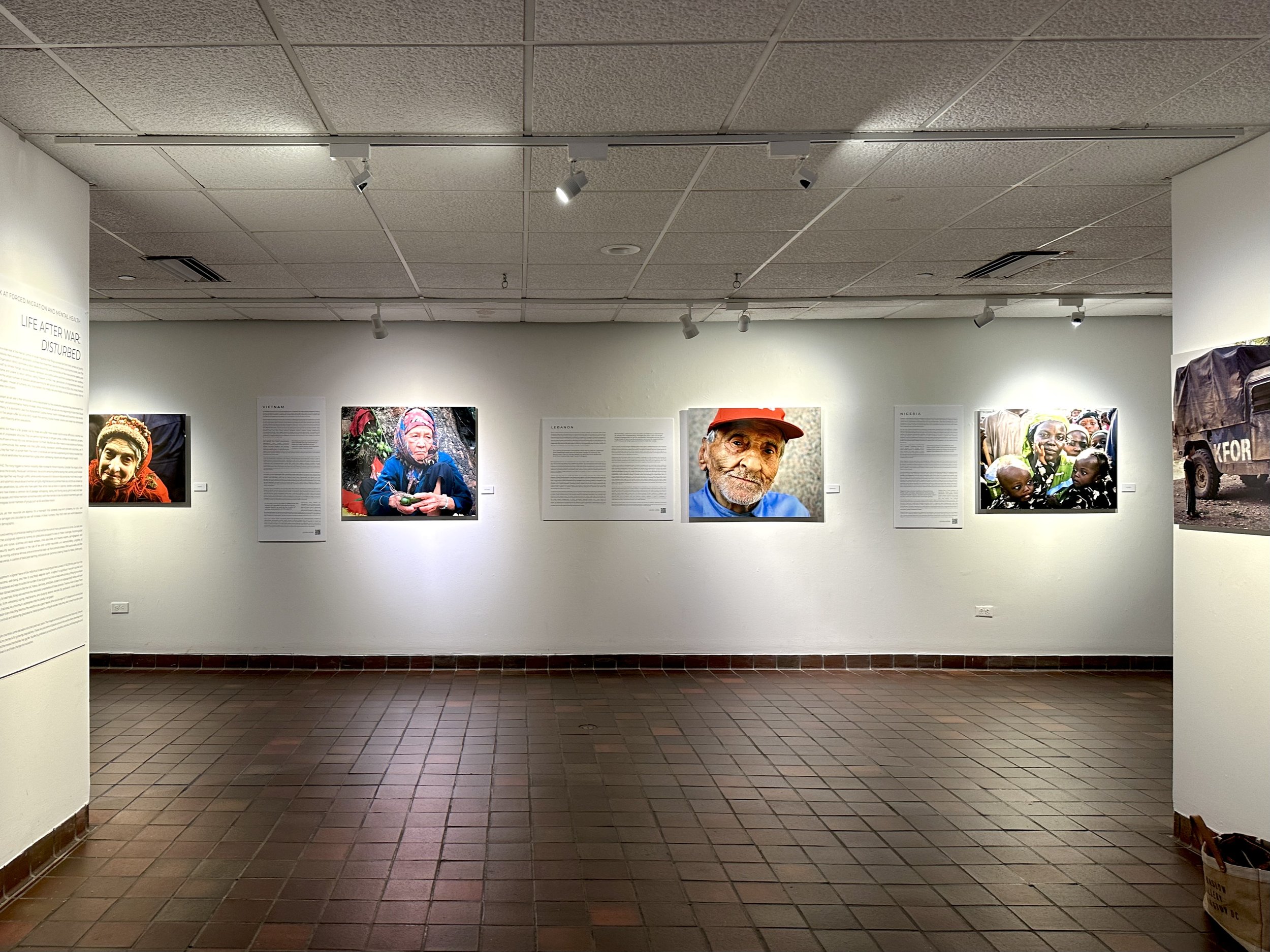
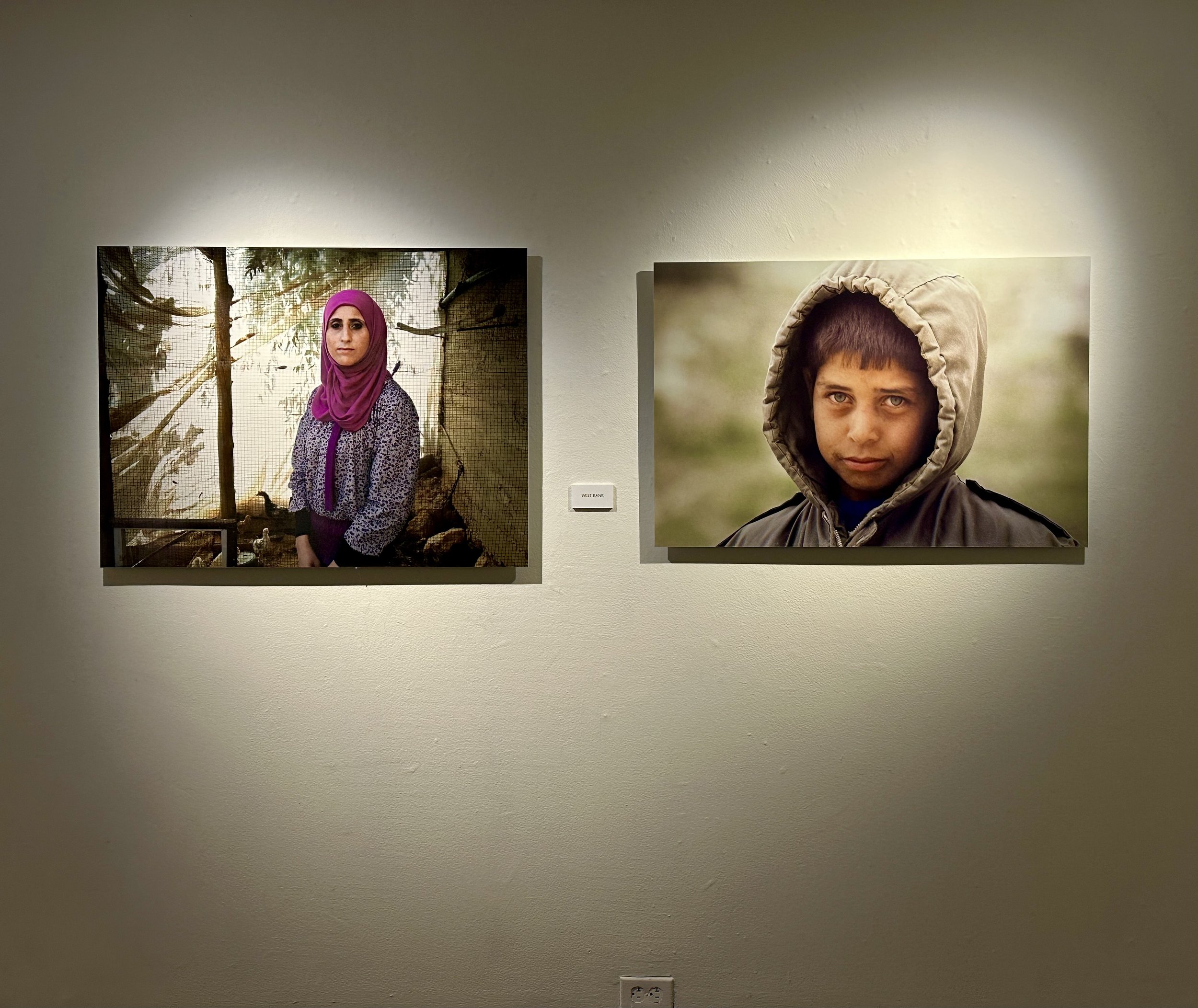
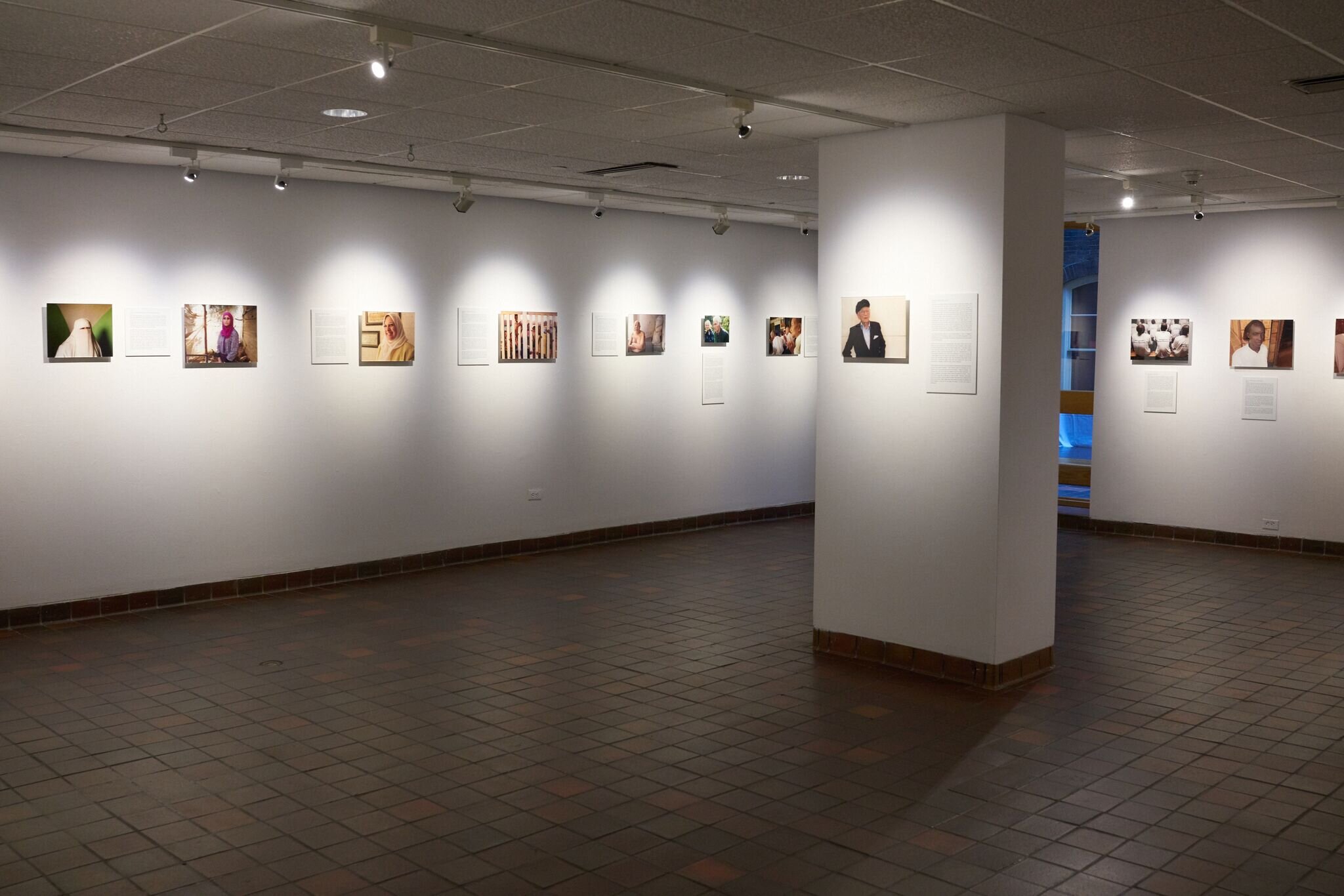
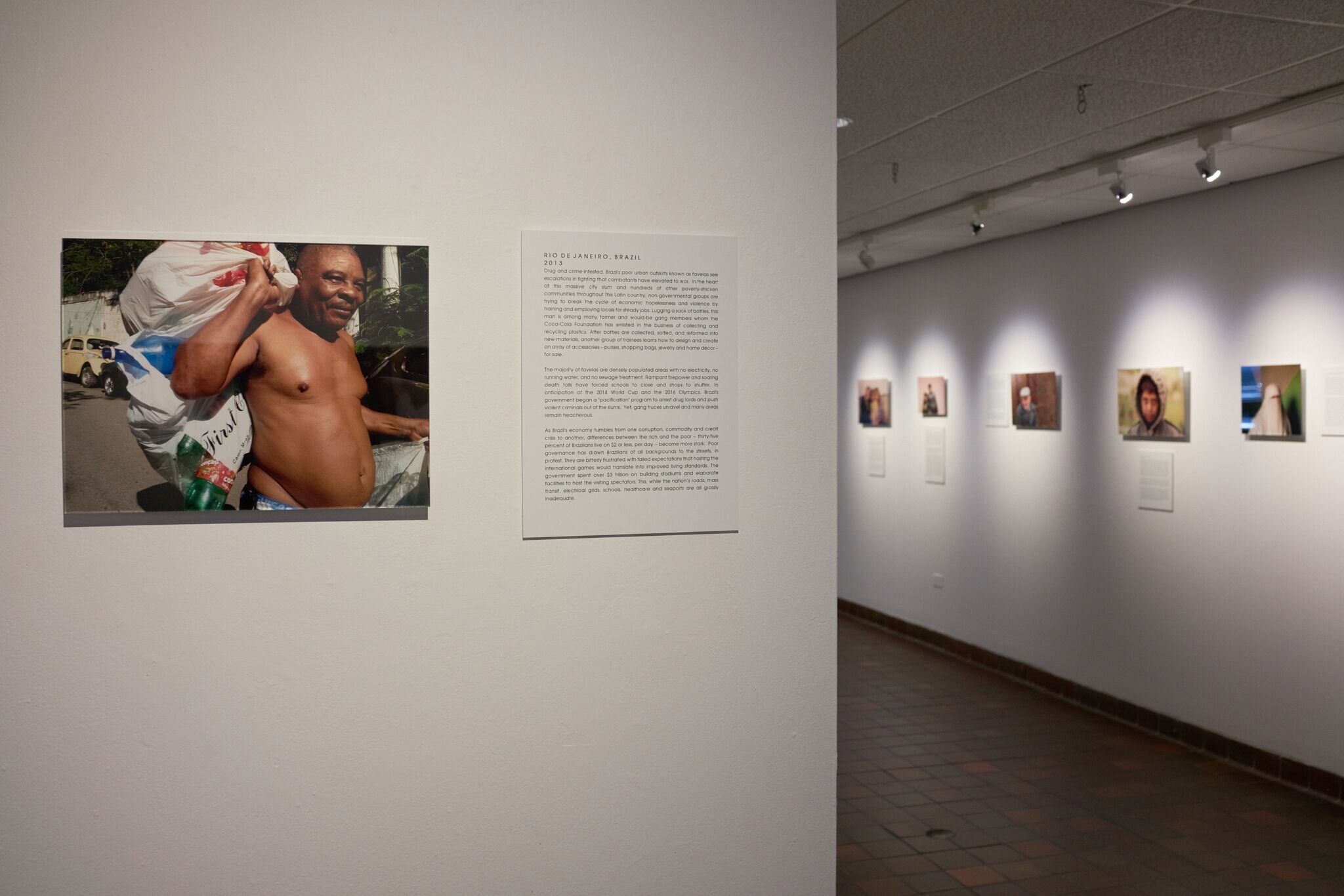
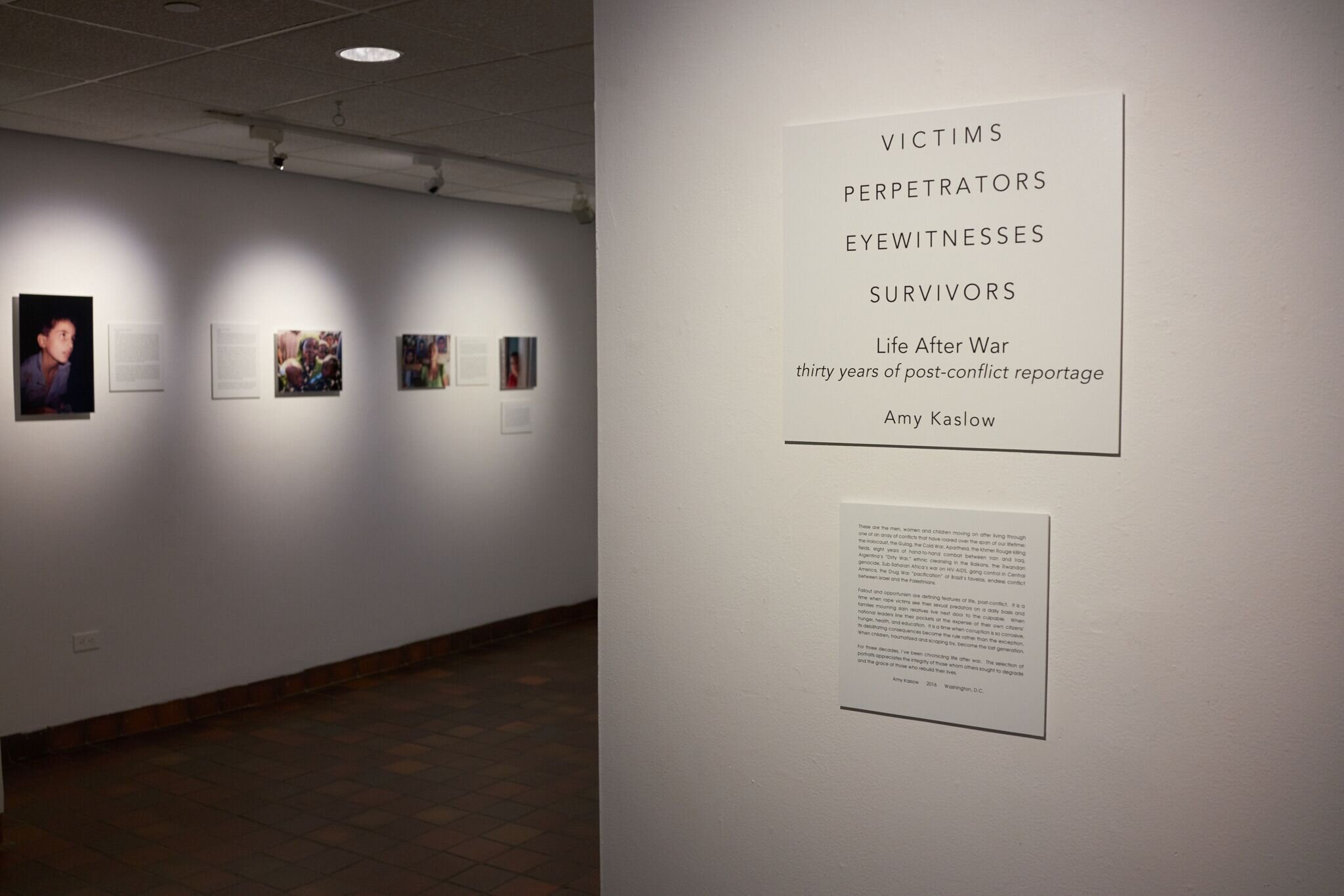
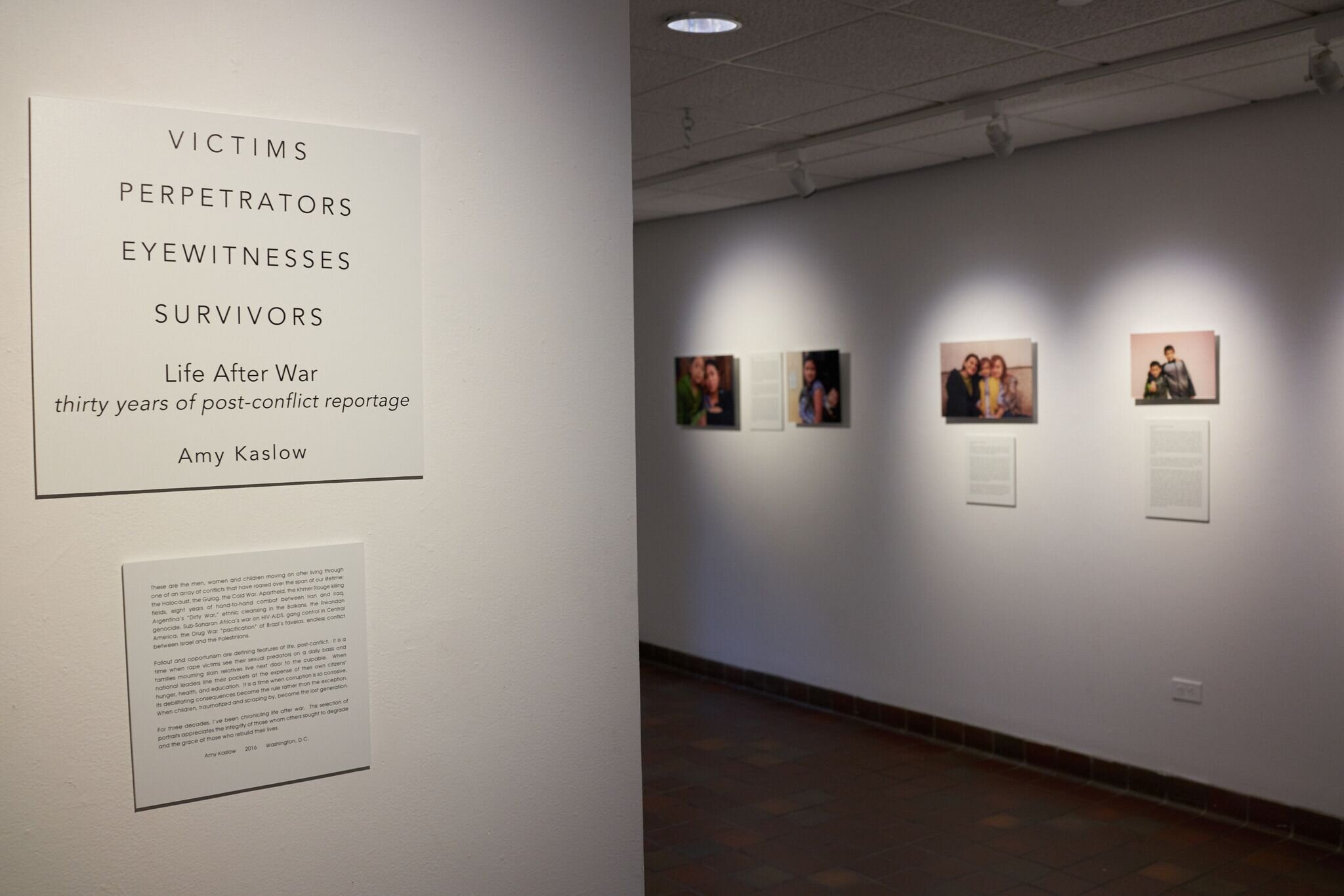
Life After War transports us to more than a dozen countries, some decades into their post-war years, others still in daily conflict. Historical context, here and now conditions, and future concerns for growing populations are all real and representative of places where development demands are vast, human engagement is critical, and investment can go far. Individually and collectively, all of us define the capacity to engage – we are the world’s students, its civic minded, its religiously affiliated, its politically motivated, its entrepreneurs, its investors, its young professionals, its wise and skilled retirees. We are all equipped to help create change.

Amy Kaslow   Washington, D.C.   September, 2025  

This exhibition will be on view at The Watson School for International and Public Affairs at Brown University through January 15, 2026. 
View Event →
Life After War: Disturbed
May
31
to Aug 5

Life After War: Disturbed

  • The Palmer Gallery at Vassar College (map)
  • Google Calendar ICS

Life After War: Disturbed

Transport yourself to a dozen countries, some decades into their post-war years with shots and storyboards spotlighting now, and horizon issues for growing populations. These are places where demands are vast, human engagement is critical, and investment can go far.

View Event →
Life After War: Disturbed The Consortium on Forced Migration, Displacement, and Higher Education at Vassar College
Nov
8
to Dec 2

Life After War: Disturbed The Consortium on Forced Migration, Displacement, and Higher Education at Vassar College

  • The Old Bookstore Gallery, College Center (map)
  • Google Calendar ICS

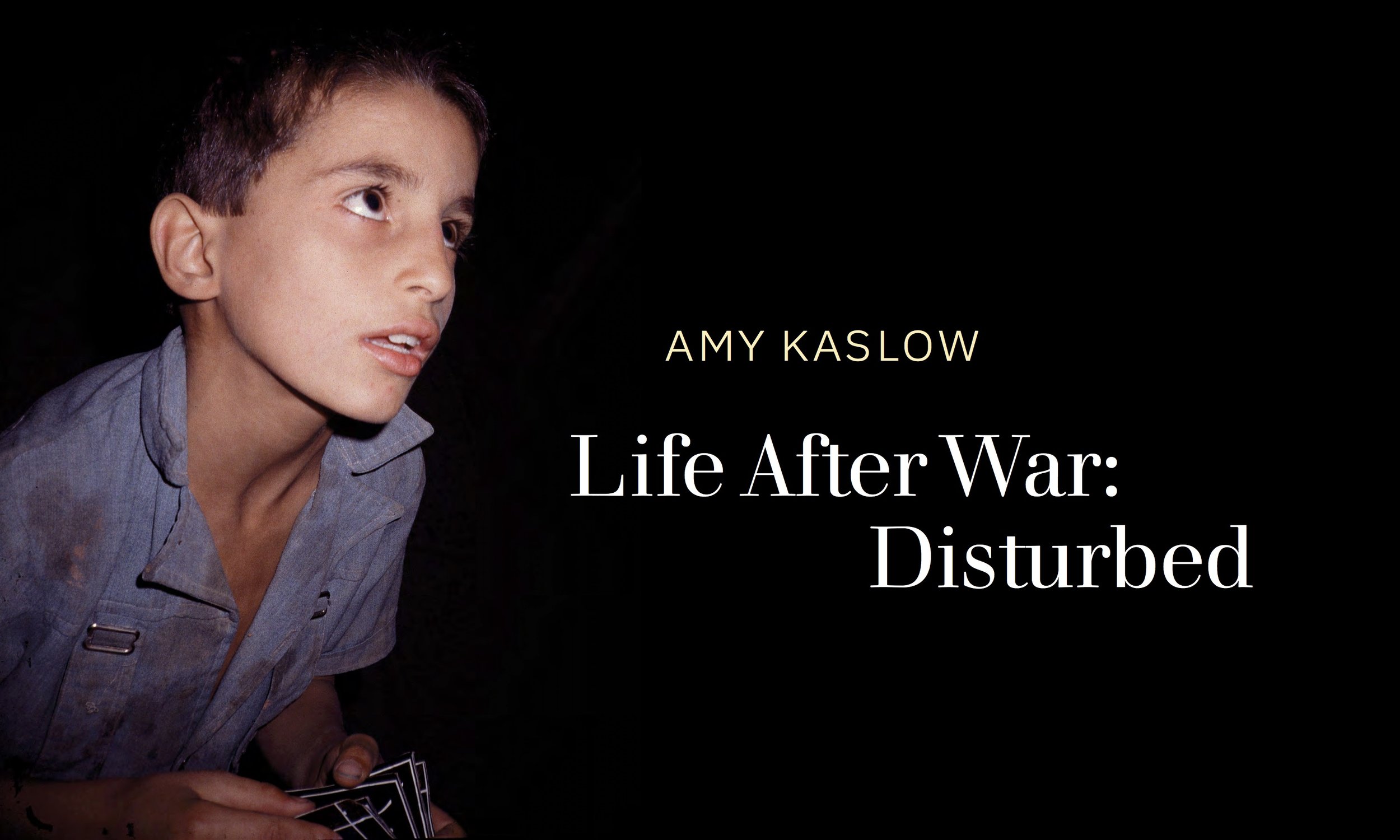
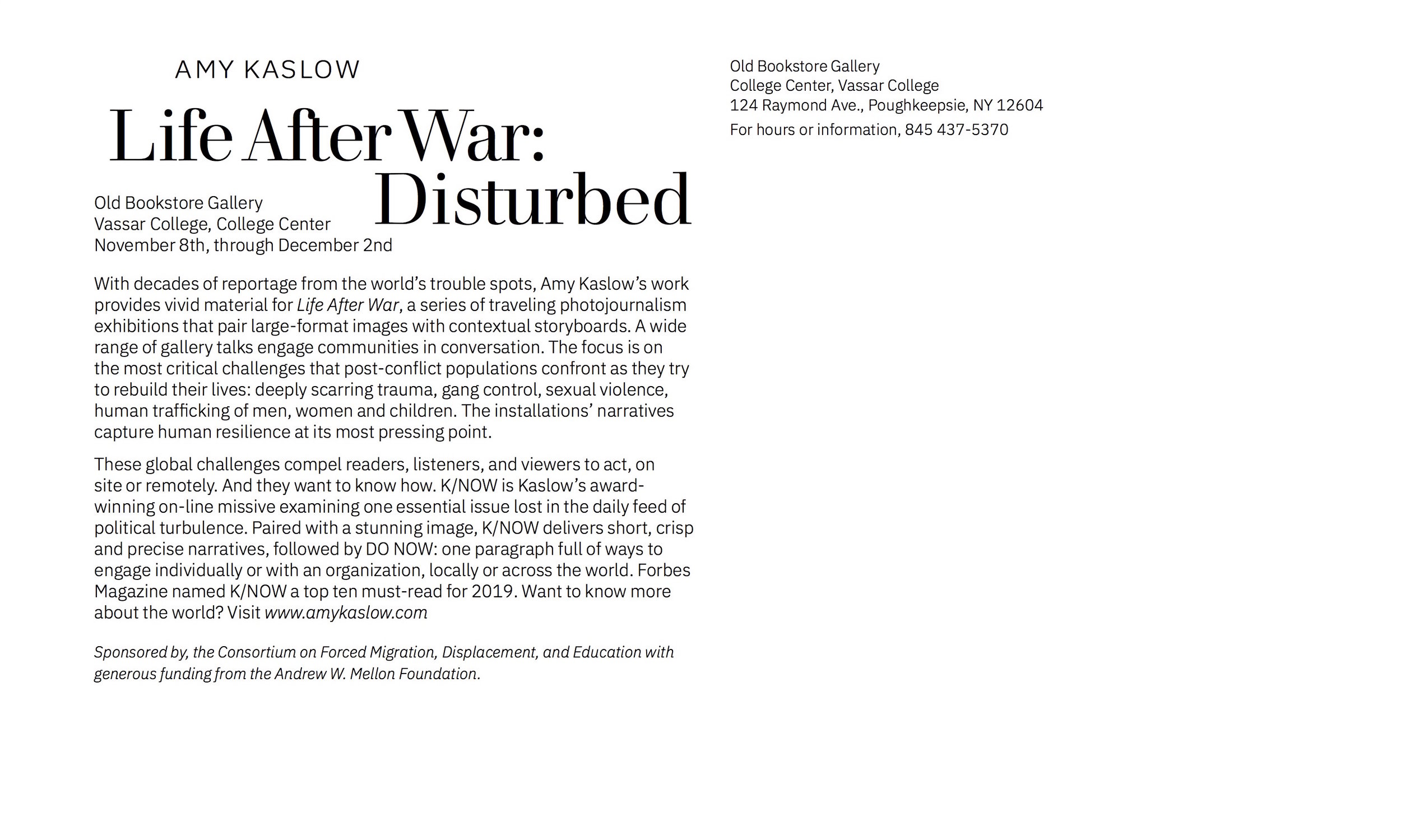
Life After War: Disturbed is a close look at forced migration and mental health. The Consortium on Forced Migration, Displacement, and Higher Education (CFMDE) hosts the photo exhibition at Vassar College until December 2, 2019. Founded by Vassar, Bard, Bennington, and Sarah Lawrence colleges in 2016, with funding from the Andrew W. Mellon Foundation, the Consortium also partnered with the New School and the Council for European Studies. CFMDE explores what role institutions can play in addressing forced migration and displacement and is working to develop a shared curriculum in Forced Migration Studies.

Life After War: Disturbed
Old Bookstore Gallery at the College Center, Vassar College
124 Raymond Ave, Poughkeepsie, NY 12604
November 8th to December 2nd

Opening Reception
Friday November 8, 2019 | 6 PM

For gallery hours and information call (845) 437-5370
or View the Full Exhibition Online

View Event →
Life After War: Disturbed Europe Now Journal
Oct
29
to Jun 30

Life After War: Disturbed Europe Now Journal

  • Google Calendar ICS
poster.jpg

Life After War: Disturbed examines forced migration and metal health. The exhibition is currently published in EuropeNow’s special issue on forced migration, “Narration on the Move.” EuropeNow is an online monthly journal that features research, criticism, and journalism on Europe alongside literary nonfiction, fiction, poetry, translations, and visual art from or concerning Europe. EuropeNow is published by the Council for European Studies at Columbia University, a non-profit organization that recognizes outstanding, multi-disciplinary research on Europe through a wide range of programs and initiatives.

View Event →
IATI Theater's 50th Anniversary Celebration
May
17
to May 20

IATI Theater's 50th Anniversary Celebration

  • 64 East 4th Street New York, NY, 10003 United States (map)
  • Google Calendar ICS

A stunning photojournalism exhibition Life After War: Trapped opens Thursday, May 17th.  Step into a blackbox theater and see a dozen large scale portraits from around the world where corruption allows the abuse, abduction, sale, trade, and disappearance of human beings to operate with impunity.  

WHEN: Thursday, May 17th, from 5:00 p.m. to 8:00 p.m. Libations provided.

WHERE: IATI Theater, 64 East 4th Street, NYC, 10003

Life After War: Trapped opens Thursday, May 17th and runs through Sunday, May 20th.  

Exhibition hours: 

Thursday, May 17h: 5:00 p.m. to 8:00 p.m.

Friday, May 18th: 3:00 p.m. to 8:00 p.m.

Saturday, May 19th: 1:00 p.m. to 8:00 p.m.

Sunday, May 20th: 12:00 p.m. to 5:00 p.m.

t.jpg
a.jpg
IMG_2130.jpg
View Event →
Feb
16
6:00 PM18:00

Art Benefit Raises Funds for Human Trafficking Awareness Play

Renowned artists have joined forces with Mirage Theatre Company to raise funds in support of the development of a new theatre production -- Broken Dolls -- that addresses the complex issue of human trafficking. This very special benefit will be held at the Chinatown Soup art gallery, a community-centered space on the border of Lower East Side and Chinatown that fosters social activism and features the work of up-and-coming artists.

Among the many artists whose work will be offered for sale at the benefit are Amy Kaslow, an esteemed photojournalist who has been featured in Fortune Magazine, SLATE, the Wall Street Journal, The Washington Post and on NPR, PBS, CNBC, and numerous other news outlets; mixed media artist, Nancy Mendez, whose vibrant and surreal style is influenced by horror movies, comics, graffiti and eclectic music; Margaret Reid Boyer, a photographer who specializes in narrative realism that lends a sense of immediacy and authenticity to each image; and Tatiana Rhinevault, a Russian-born artist whose work has been exhibited and sold in Russia, France, Yugoslavia, Italy, Greece, and at the Gallery Revel in Soho, NYC.


mirage+theatre+company.png
View Event →